Escaping Hitler: The Trapp Family's Daring Flight to America
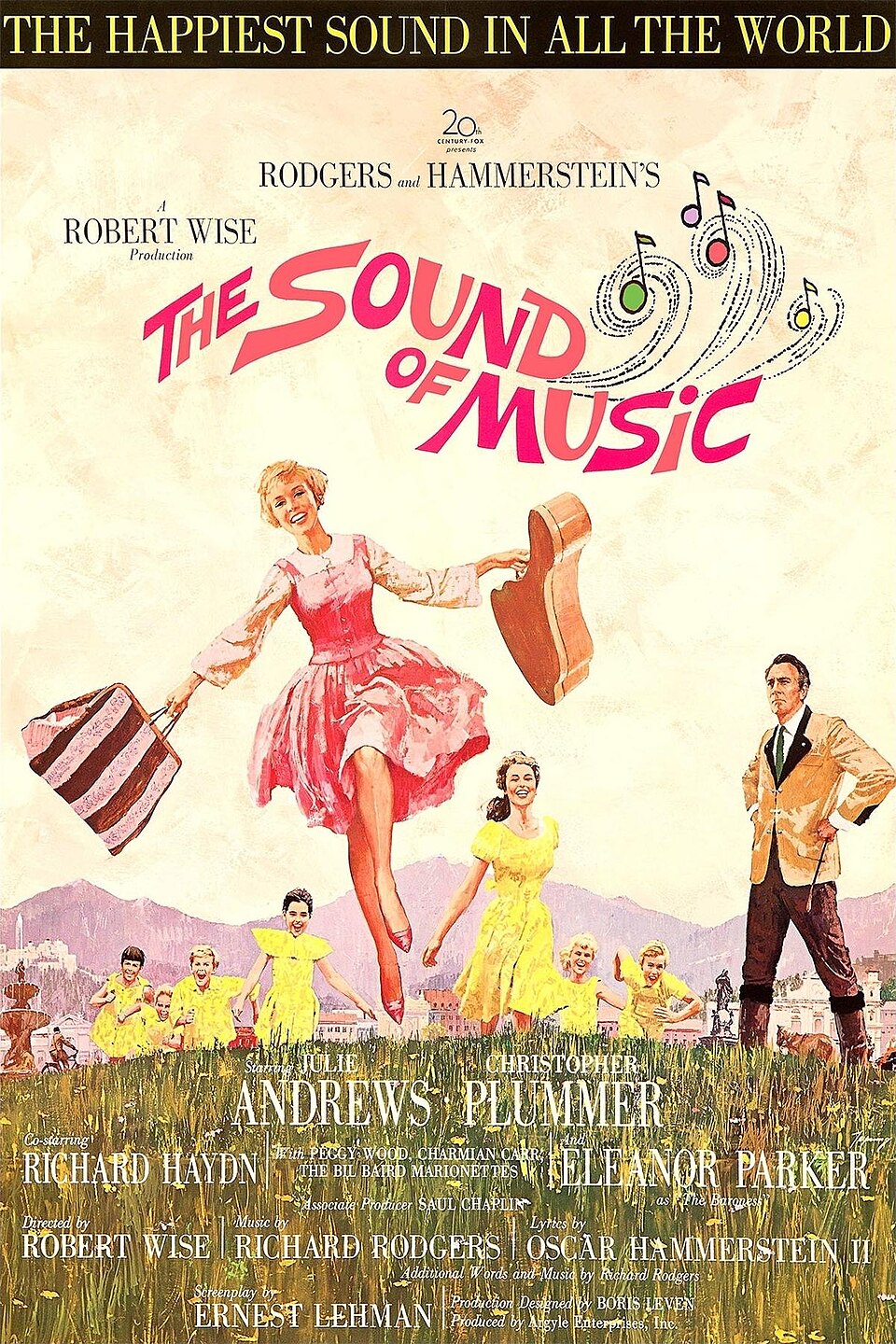
The story of the Trapp Familie, famously immortalized in *The Sound of Music*, is far more complex and compelling than its cinematic portrayal. It's a true saga of resilience, unwavering faith, and a desperate flight for freedom in the face of burgeoning Nazi oppression. While the film captures the essence of their musical spirit and strong family bonds, the real journey from their picturesque Austrian home to a new life in America was a testament to their courage and ingenuity. This article delves into the factual details of their dramatic escape and the subsequent chapter of their lives as the renowned Trapp Family Singers.
The Genesis of the Trapp Family Singers: A Symphony of Fate
Before their name became synonymous with daring escapes and Broadway musicals, the
Trapp Familie was a noble Austrian household, led by former naval commander Georg von Trapp. Following the tragic death of his first wife, Agathe Whitehead, who left behind seven children, Georg married Maria Kutschera in 1927. Maria, significantly younger, quickly embraced her role as stepmother and later bore three more children, expanding the family to ten. Music was an integral part of their daily life, a natural expression of joy and solace.
A pivotal figure in transforming their family hobby into a professional pursuit was Dr. Franz Wasner, a young priest who heard them singing at their local church in Aigen around 1935. Recognizing their extraordinary talent, Father Wasner became their musical director, introducing them to sacred music, madrigals, and refining their repertoire beyond folk songs and ballads. His guidance elevated their performances, leading them to victory in a prestigious choral competition at the Salzburg Festival in 1936. This early success, coupled with the financial hardships of the Great Depression which saw the family lose much of its wealth, propelled the
Trapp Familie into professional concerts across Europe. They toured extensively, enchanting audiences in Vienna, Salzburg, France, Belgium, the Netherlands, Italy, Germany, and England. This period of early fame unknowingly prepared them for the challenges that lay ahead. For a deeper dive into their early lives and musical journey, read
The Real Trapp Family: From Austrian Singers to Sound of Music Inspiration.
The Shadow of Nazism: A Family's Unthinkable Choice
As the 1930s drew to a close, a dark cloud descended upon Austria. Adolf Hitler's annexation of Austria in 1938, known as the Anschluss, plunged the country into the grip of Nazi Germany. For the
Trapp Familie, this political upheaval presented an impossible dilemma. Georg von Trapp, a staunch patriot and decorated naval officer, had no desire to align himself or his family with the Nazi regime. They faced immense pressure: Georg was offered a commission in the German Navy, their eldest son, Rupert, was expected to join the Nazi Party, and the family was urged to fly the Nazi flag over their Salzburg estate.
Their moral compass, however, pointed firmly away from compromise. Maria von Trapp famously articulated their resolve to save their "spiritual rather than their material wealth." This meant making the agonizing decision to abandon their beloved home and all their possessions rather than live under a totalitarian regime that violated their deepest values. The choice was not merely one of political disagreement; it was a profound stand for freedom, faith, and the integrity of their family. Their comfortable life, their beautiful estate outside Salzburg, and their established musical career in Europe were all sacrificed for the uncertain path of exile. The urgency of their situation grew by the day, making swift and decisive action imperative.
The Great Escape: A Journey Through a Continent
Unlike the dramatic, moonlit climb over the Alps depicted in *The Sound of Music*, the actual escape of the
Trapp Familie was far more understated, yet equally perilous. In 1938, seeing no future under Nazi rule, they left their Salzburg home under the guise of an ordinary family outing, dressed in mountaineering clothes with knapsacks on their backs. This quiet departure allowed them to avoid immediate suspicion. Their initial destination was Italy, a pragmatic choice since Georg von Trapp, having been born in Zadar (then part of Austria-Hungary, later Italy), held Italian citizenship, which extended to his family. This legal loophole provided a crucial entry point to freedom.
From Italy, their journey continued. For several months in 1938, a lesser-known but significant stop was made in Warmond, near The Hague, Netherlands, where they were guests of a Dutch banker, Ernest Menten. This detail, often omitted from popular narratives, highlights the complexity of their flight and the network of assistance they received. From the Netherlands, their path led them to London, and finally, by boat, across the Atlantic to the United States. They arrived in September 1938, entering a new world with little more than their musical talent and an unyielding spirit. This journey across continents underscored their resilience and the extraordinary measures people took to escape persecution during this dark period of history. Their escape reminds us that courage often manifests not in grand gestures, but in deliberate, steadfast steps towards preserving one's core values.
Rebuilding a Life: The Trapp Family Singers in America
Upon arriving in the United States, the
Trapp Familie faced a fresh set of challenges. They were immigrants in a new land, grappling with language barriers, cultural differences, and the daunting task of re-establishing their lives and careers. Initially, their performances were met with mixed reactions, partly due to the classical nature of their music which was less familiar to American audiences. However, with perseverance and the continued guidance of Dr. Wasner, they refined their act, incorporating more folk songs and English-language pieces. They officially became known as the "Trapp Family Singers," and their unique sound, combining sacred music with folk songs and madrigals, began to captivate American hearts.
Their concerts became immensely popular, and they embarked on extensive tours across the United States and Canada, performing for thousands. They even eventually settled in Stowe, Vermont, where they established the Trapp Family Lodge, a testament to their enduring entrepreneurial spirit. The Trapp Family Singers continued to perform as a unit until 1957, leaving behind a remarkable legacy. Their true story of survival, artistic dedication, and family unity inspired a memoir, two successful German films, and ultimately, the iconic Rodgers and Hammerstein Broadway musical *The Sound of Music*, which debuted in 1959. Even decades later, their story resonates. Maria Franziska, one of Georg's original seven children, lived to the age of 99, passing away in 2014. Johannes von Trapp, the youngest child born to Georg and Maria, remains the last surviving member of the original *Trapp Family Singers*. Their journey from Austrian nobility to international musical sensations is a powerful reminder of how talent, determination, and strong family bonds can overcome even the most formidable obstacles. Learn more about their expansive musical journey in
The Trapp Family Singers: A Global Musical Journey from Salzburg to the USA.
In conclusion, the flight of the
Trapp Familie from Nazi-occupied Austria to a new life in America is more than just a historical footnote; it is an enduring narrative of courage, conviction, and the unbreakable spirit of a family united by music and faith. Their decision to forsake material wealth for personal freedom, their calculated and quiet escape across a continent, and their triumphant re-establishment as world-renowned performers in the United States illustrate the profound impact of their choices. Their story continues to inspire generations, not only through its beloved artistic renditions but as a testament to the resilience of the human spirit in the face of tyranny.